
Pelvic Physiotherapy Treatment in Woodbridge
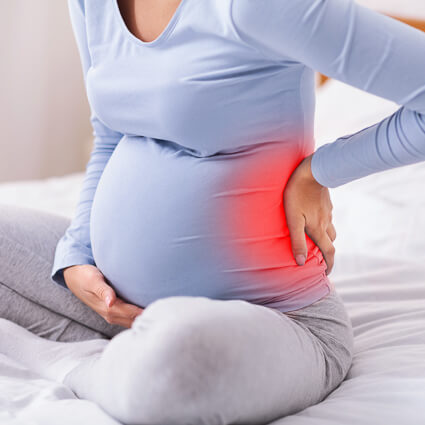
Pelvic pain, bladder control issues, and pelvic floor dysfunction can quietly affect daily life. This may include discomfort during activity, urinary urgency, or pain that makes exercise or intimacy difficult. These symptoms are common and can often be managed with appropriate care. Pelvic physiotherapy is a targeted, evidence-informed approach that focuses on contributing factors and symptom management.
What the Pelvic Floor Actually Does and Why It May Be Affected
The pelvic floor is a group of muscles, ligaments, and connective tissues that support the bladder, bowel, and uterus. When these structures are not functioning as intended, whether due to tightness, weakness, or coordination challenges, it can contribute to a range of symptoms.
Pregnancy and childbirth are known contributing factors. Hormonal changes, surgery, chronic stress, and prolonged sitting may also influence pelvic floor function over time.
What May Contribute to Pelvic Floor Concerns
Pelvic floor dysfunction is typically multifactorial. Contributing factors may include:
- Pregnancy, labour, and vaginal or caesarean delivery
- Menopause and hormonal changes
- Pelvic or abdominal surgery
- High-impact activity or repetitive heavy lifting over time
- Chronic constipation or straining
- Prolonged sitting or reduced activity levels
How Pelvic Floor Dysfunction May Present
Symptoms can vary depending on how the pelvic floor is functioning. Some people may notice urinary leakage with coughing, sneezing, or exercise. Others may experience pelvic pressure, discomfort during sitting or intercourse, increased urinary urgency or frequency, or a sense of heaviness in the pelvic region.
Assessment and Individualized Care From Your First Visit
At Core Health Care, pelvic physiotherapy begins with a detailed assessment of your health history, symptoms, and movement patterns. Your physiotherapist will assess pelvic floor function and identify possible contributing factors such as overactivity, underactivity, or coordination challenges.
Based on this assessment, a care plan is developed that may include manual therapy, therapeutic exercise, and education on movement, posture, and lifestyle factors that may support symptom improvement and function.
Supporting Your Pelvic Health Journey
If pelvic pain, leakage, or discomfort is affecting your daily activities, assessment and treatment may help identify contributing factors and guide appropriate care options.
Contact our practice today to schedule.
